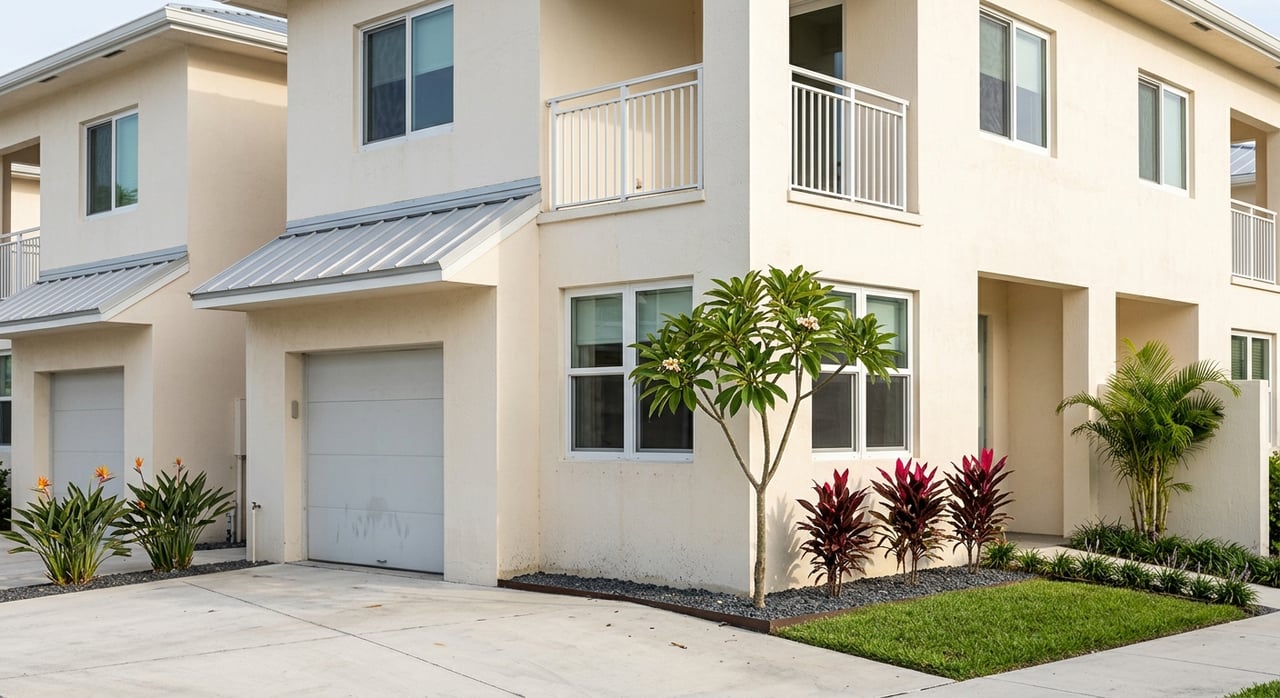
If you are eyeing a townhome in Waipio or Waikele as an investment or second home, the details behind the front door matter just as much as the price tag. These Central Oahu communities appeal to buyers who want convenience, established infrastructure, and a lower-maintenance housing option, but the ownership rules can shape your costs, flexibility, and long-term plans. Before you buy, it helps to understand how these projects are set up, what to review, and which questions can change the numbers. Let’s dive in.
Why Waipio and Waikele draw interest
Waipio and Waikele are established residential communities in Central Oahu with a practical location that appeals to many buyers. Public community information points to easy access to shopping, parks, bus routes, restaurants, and nearby business areas, which supports everyday convenience for owners and long-term occupants.
Retail is also part of the appeal. Waipio Shopping Center includes grocery and dining tenants, while Waikele Premium Outlets is Hawaii’s only outlet shopping destination. For an investor or second-home buyer, that kind of nearby infrastructure can help support consistent interest from future occupants.
The housing stock also fits a specific buyer profile. Townhome examples in the area often include two-bedroom layouts, one to two bathrooms, assigned parking, lanais, and lower-maintenance attached living rather than large-lot single-family ownership. That can make these properties easier to manage, especially if you want a more streamlined ownership experience.
What the market signals suggest
Public market snapshots show Waipio at a median listing price of $479K and a median rent of $2.4K per month. Waikele shows a median listing price of $740K and a median rent of $2.8K per month. Because these figures come from market snapshot pages with different timing and methods, it is best to treat them as directional rather than exact.
Even so, the numbers help frame the conversation. They suggest these areas sit in an active mid-market range that can attract both buyers and renters. Waipio market data also indicated homes sold for about asking price on average in June 2026, while Waikele data showed an average of about 52 days on market.
That does not automatically make every townhome a strong investment. It does, however, show why buyers look here for long-term hold potential, occasional personal use, or a second-home option with established demand drivers.
Know the ownership structure first
One of the biggest mistakes buyers make is focusing only on the unit and not the structure around it. In Hawaii, condominium associations are governed under HRS chapter 514B, while planned community associations fall under HRS chapter 421J. In some communities, you may be dealing with a condo association, a master association, or both.
That matters because each layer can come with its own fees, rules, approval processes, and records. In Waikele, public association materials show architectural review procedures, pre-approved color schemes, and sub-association management contacts. In Waipio, community operations include parking enforcement, guest parking passes, towing rules, security services, pest-control scheduling, and clubhouse reservations.
In simple terms, you are not just buying square footage. You are buying into a management structure and a rule set that can affect day-to-day ownership.
Review HOA rules like an investor
For townhome buyers, monthly fees are only one part of the picture. You also need to understand what the association controls, how it enforces rules, and whether those rules fit your ownership plan.
Before you make an offer, confirm items like these:
- Whether the project is a condo, planned community, or both
- What the monthly HOA or association fee covers
- Whether long-term leasing is allowed
- Whether short-term rental use is allowed
- How many parking stalls are assigned
- Whether guest parking is available and how it is regulated
- What the pet rules are
- Whether exterior changes require approval
- Which association controls exterior maintenance or design decisions
For remote or out-of-state owners, these questions become even more important. If you are not on island regularly, clear rules and reliable management processes can make ownership much smoother.
Short-term rental assumptions can be costly
If you are thinking about using a townhome for nightly or vacation-style rental use, do not assume that is allowed. Honolulu’s Department of Planning and Permitting says short-term rentals are only permitted in resort-zoned areas, each eligible unit must be registered separately, and any change in ownership or operator requires a new registration.
That means a buyer should verify the specific property’s permitted use before building a rental plan around it. The broader demand in Waipio or Waikele is not proof that a townhome can be used as a short-term rental. For many buyers here, the more realistic lens is long-term occupancy, second-home use, or traditional rental planning where permitted.
Tax treatment can affect your carrying costs
Your projected costs may look very different depending on how you plan to use the property. Honolulu’s home exemption requires the property to be owned and occupied as your principal home as of October 1, with the claim filed by September 30 preceding the tax year. That means second homes and rental properties generally should not be modeled as if they qualify for that exemption.
Honolulu also uses different tax classes for residential, bed-and-breakfast home, and transient-vacation property. If you are underwriting a purchase, check the property’s actual tax classification rather than assuming a standard residential rate will apply. This is one of those details that can quietly shift your monthly and annual ownership costs.
Documents that deserve close attention
In Hawaii condo purchases, the document package is a major part of due diligence. According to DCCA guidance, buyers should review the declaration, bylaws, house rules, design standards, insurance summary, pending litigation, current or proposed budget, current financial statement, the last three board meeting minutes, the last annual meeting minutes, the project information form, and the reserve study or summary.
These records can tell you much more than a listing description can. They can reveal whether the association has a clear maintenance plan, whether policy changes are being discussed, and whether there are signs of future cost pressure.
The seller is responsible for providing these documents to a condo buyer to the extent they exist and are obtainable. If you are buying from out of state or overseas, getting these materials early can help you evaluate the property with more confidence and fewer surprises.
Reserve funding and insurance matter
A low monthly fee is not always a win. DCCA notes that insufficient reserves can lead to borrowing or special assessments, which can change your ownership costs after closing.
That is why the reserve study or reserve summary deserves real attention. A project with limited reserve funding may face harder choices when major repairs or replacements come due.
Insurance also deserves a close review. DCCA says associations must maintain required coverage, with flood insurance if the project is in a special flood hazard area. As a buyer, you want to understand both the association’s coverage and what gaps you may need to plan for personally.
Remote owners should plan for records access
If you will own the property from the mainland or overseas, operational access matters almost as much as the unit itself. DCCA provides guidance showing that condominium owners and their authorized agents can request association records.
That is useful for buyers who want a clear process for obtaining budgets, minutes, insurance information, and official notices after closing. In practice, a townhome that is easy to manage remotely can be more attractive than one with unclear communication or difficult records access.
A practical checklist before you buy
If you are comparing Waipio and Waikele townhomes, focus on the issues that directly affect use, cost, and flexibility. A careful review up front can help you avoid buying a property that does not fit your goals.
Use this checklist as a starting point:
- Confirm the exact ownership structure
- Review all association fees and what each fee covers
- Check lease rules and minimum rental terms
- Verify whether short-term rental use is permitted
- Confirm assigned parking and guest parking rules
- Review pet rules and restrictions
- Read recent meeting minutes for signs of upcoming projects or disputes
- Check the budget, financials, and reserve study
- Review the insurance summary
- Confirm the property’s tax classification
- Understand maintenance boundaries for interior, exterior, and common areas
- Ask how owners access association records and notices
Why local guidance helps
Townhome investing in Waipio and Waikele is rarely just about finding the lowest price or the highest projected rent. The better question is whether a specific property fits your use case, your risk tolerance, and your ownership style.
That is where a local, detail-focused approach can make a difference. When you are weighing association structure, market positioning, tax treatment, and document review all at once, having clear guidance can help you move from broad interest to a smarter purchase decision.
If you are considering a Waipio or Waikele townhome and want help evaluating the numbers, the rules, and the fit for your goals, connect with Sue Jo for a thoughtful, data-informed conversation.
FAQs
What should buyers know about Waipio and Waikele townhome ownership structures?
- Buyers should confirm whether a property is part of a condominium association, a planned community association, or both, because each layer can have separate fees, rules, and approval requirements.
What documents should investors request for a Waipio or Waikele townhome?
- Buyers should review the declaration, bylaws, house rules, design standards, insurance summary, budget, financial statements, meeting minutes, project information form, and reserve study or reserve summary.
Are short-term rentals allowed in Waipio and Waikele townhomes?
- Buyers should not assume short-term rental use is allowed, because Honolulu says short-term rentals are only permitted in resort-zoned areas and eligible units must be registered separately.
How can HOA rules affect a Waipio or Waikele townhome investment?
- HOA and association rules can affect parking, guest parking, pets, leasing, exterior changes, maintenance responsibilities, and day-to-day ownership flexibility.
Why do reserve funds matter for Waipio and Waikele townhome buyers?
- Reserve funds matter because insufficient reserves can lead to borrowing or special assessments, which may increase ownership costs after purchase.
How does Honolulu tax treatment affect Waipio and Waikele second homes or rentals?
- Buyers should verify the property’s actual tax classification and should not assume a home exemption will apply, since that exemption is generally tied to owner-occupied principal residence use.
What makes Waipio and Waikele appealing to long-term investors or second-home buyers?
- These communities appeal to many buyers because of their Central Oahu location, established infrastructure, nearby shopping, and lower-maintenance townhome housing options.