If you have ever looked at two Honolulu condos with similar square footage and wondered why one monthly fee is so much higher, you are not alone. Condo fees can feel confusing, especially in Kakaʻako and nearby urban Honolulu, where building styles, amenities, and service levels vary widely. The good news is that once you know what those fees actually pay for, you can compare properties with more confidence and fewer surprises. Let’s dive in.
Why condo fees vary in Kakaʻako and Honolulu
Kakaʻako is not one uniform condo market. According to the Our Kakaʻako master plan, the area includes a mix of housing types, retail, dining, open space, and pedestrian-focused design. That means some buildings have a much larger shared infrastructure to operate than others.
In Hawaii, condo ownership includes your unit plus a percentage interest in the building’s common elements. The Hawaii Real Estate Branch condo fact sheet explains that common elements often include lobbies, hallways, parking areas, grounds, pools, gyms, roofs, and main pipe and electrical systems. In simple terms, your monthly fee helps pay for the systems and spaces you share with other owners.
What monthly condo fees usually cover
A condo maintenance fee is not just about cleaning the lobby or keeping the pool running. Hawaii’s condo realities guidance says fees generally cover common area maintenance, management, insurance, utilities, and reserve contributions.
The state also notes in its DCCA bulletin on condo fees that these costs may include common area electricity, security, insurance, landscaping, window washing, elevator servicing, pool servicing, and funding for future major repairs. Those future repairs can include painting, road work, pipe replacement, and concrete spalling repairs.
That is why two condos that look similar on the surface can have very different monthly fees. The fee depends on the building’s operating costs, service level, and reserve planning, then gets allocated based on each unit’s common interest. The same bulletin also makes an important point: you still pay the fee even if you do not personally use every amenity.
Why amenity-rich buildings cost more
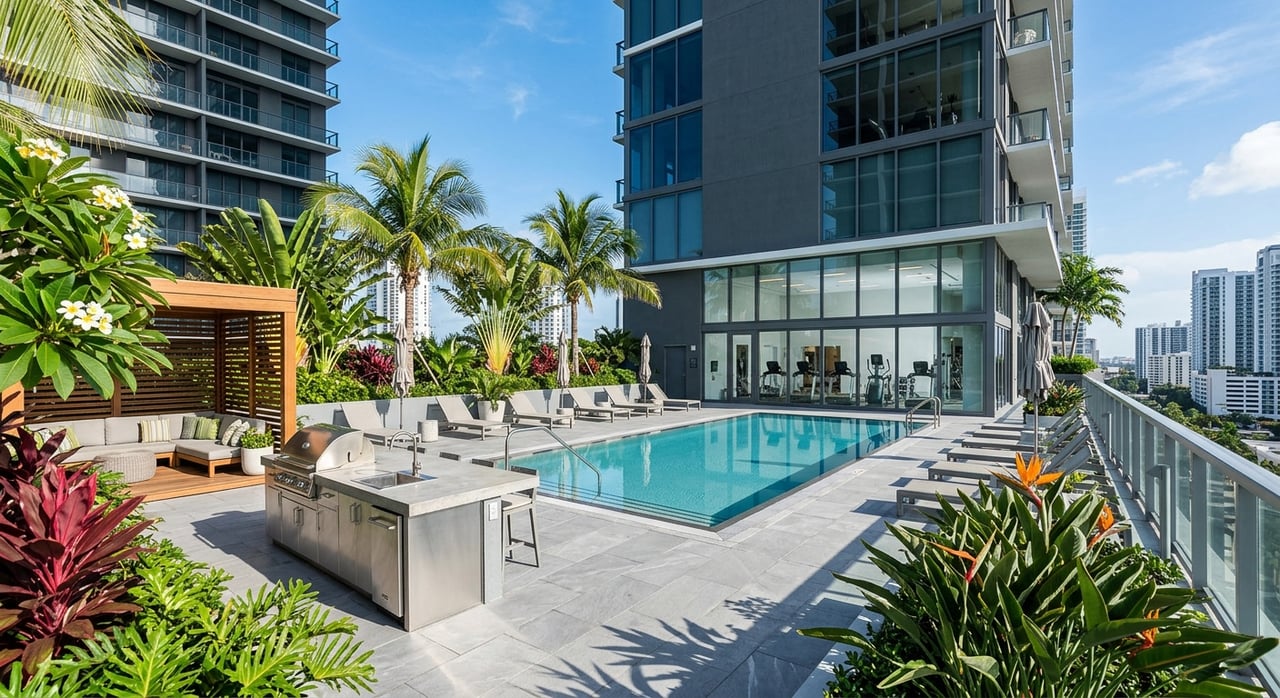
This is where many buyers get tripped up. A building with a large amenity deck, multiple elevators, a gym, a pool, meeting rooms, or full-service staffing usually costs more to run than a simpler building with fewer shared features.
The DCCA bulletin is very clear on this. A condo with a pool, many elevators, a gym, tennis courts, multipurpose rooms, theater space, or full-service management should generally have substantially higher maintenance fees than a similar-sized building with a basic lobby and minimal amenities.
That does not automatically make the higher-fee building a worse value. In many cases, it simply means you are paying for a more intensive building program, more staffing, and more systems that need regular service and long-term replacement.
Why low fees are not always better
It is easy to assume the lowest monthly fee is the smartest buy. But that number alone does not tell you whether the building is well prepared for future costs.
According to the same DCCA guidance, if an amenity-rich condo has fees that seem unusually low compared with similar buildings, it can be a sign that long-term repairs are not being funded adequately. Some projects may offset costs through other income sources, such as parking rentals or telecom equipment, so the fee should never be judged in isolation.
In Hawaii’s climate, this matters even more. The condo realities publication notes that sun, salt, and normal aging can accelerate wear on paint, roofs, pipes, and other major building systems. A well-funded building may look more expensive month to month, but it can also reduce the risk of bigger surprises later.
Special assessments and reserve shortfalls
One of the biggest risks for condo buyers is not the monthly fee itself. It is the possibility of a special assessment if the association does not have enough money set aside for major repairs.
Reserves are meant to fund future large-scale repairs and replacements. The state’s condo guidance explains that underfunded reserves can lead to special assessments or later fee increases when necessary work comes due.
That work can be expensive. Major items like elevators, piping, and roofing can add significant ownership costs when repairs are deferred. For that reason, a buyer should look beyond the current fee and ask whether the building is realistically planning for what it will need over time.
What to review before you buy
Before you buy a condo in Kakaʻako or Honolulu, you should review more than just the MLS sheet and monthly dues number. The Hawaii Real Estate Branch fact sheet says the key governing documents are the declaration and bylaws, and house rules may also apply.
These documents help you understand what the association maintains, what owners are responsible for, how the building is governed, and what rules apply to ownership and use. That context is essential because the monthly fee only makes sense when you know what obligations and services come with it.
The state’s condo records guidance also advises buyers to request and review:
- Current financial statements
- The annual budget or budget summary
- The audit
- The reserve study
- Insurance policies
- Contracts
- Ledgers
- Board or association meeting minutes
When possible, compare the reserve study’s projected repair needs with the current reserve funding. That can help you spot whether the association appears prepared or whether future owners may be asked to cover a shortfall.
A smart way to compare condos
If you are choosing between condos in Kakaʻako, Waikiki, or other parts of urban Honolulu, it helps to use the same framework every time. Instead of asking only, “What is the monthly fee?” ask a fuller set of questions.
Here is a practical comparison checklist based on state guidance:
1. What does the fee include?
Confirm whether the fee covers only basic common area cleaning or also includes staffing, security, utilities, amenity upkeep, and reserves. A higher fee may reflect a more complete service package.
2. How amenity-heavy is the building?
A large pool deck, multiple elevators, gym facilities, recreation spaces, and extensive staffing generally point to higher operating costs. Compare like with like whenever possible.
3. Are the reserves healthy?
Review the reserve study, financial statements, and audit to see whether future repairs appear to be funded realistically. Healthy reserves can be a sign of better long-term planning.
4. Are major projects coming up?
Ask whether the association expects elevator work, pipe replacement, roofing work, or other capital projects. Upcoming projects can affect both monthly dues and the possibility of special assessments.
Compare similar buildings, not just similar units
This may be the most important takeaway in the whole process. The DCCA bulletin advises that the best comparison is between condos of similar size and similar age.
A luxury tower with extensive amenities and concierge-style service should not be measured against a simpler mid-rise or older building as if they are the same product. Even if the unit sizes are close, the ownership costs can look very different because the building itself operates very differently.
When you compare buildings on a more apples-to-apples basis, the fee number starts to make more sense. You can then focus on whether that cost matches the building’s condition, services, and reserve strength.
How this helps you make a better decision
If you are buying in Kakaʻako or Honolulu, the goal is not to find the cheapest monthly fee. The goal is to understand whether the fee is appropriate for the building you are considering.
That means looking at three things together: service level, amenity load, and reserve health. A condo with stronger planning and realistic funding may offer better long-term value than one that looks less expensive today but may need higher fees or assessments later.
Having a clear review process can save you time, reduce risk, and help you buy with more confidence. If you want a second set of eyes on condo documents or help comparing buildings in urban Honolulu, Sue Jo offers a thoughtful, data-informed approach to help you evaluate the full picture before you move forward.
FAQs
What do condo maintenance fees usually cover in Honolulu?
- In Honolulu condos, maintenance fees generally cover common area maintenance, management, insurance, utilities, and reserve contributions, along with items such as security, landscaping, elevator servicing, pool servicing, and other shared building costs.
Why are Kakaʻako condo fees sometimes higher than other Honolulu condos?
- Kakaʻako buildings can have more extensive amenities, staffing, shared systems, and mixed-use infrastructure, which can raise operating and long-term replacement costs compared with simpler buildings.
Do you still pay condo fees if you do not use the amenities?
- Yes. Hawaii condo guidance explains that owners are still responsible for their share of the building’s costs even if they do not personally use amenities like the pool, gym, or recreation spaces.
What documents should you review before buying a condo in Honolulu?
- You should review the declaration, bylaws, house rules, financial statements, annual budget, audit, reserve study, insurance policies, contracts, ledgers, and board or association meeting minutes.
Why can a low condo fee be a warning sign in Honolulu?
- A low fee is not always a bargain because it may mean the association is underfunding reserves for future repairs, which can lead to fee increases or special assessments later.
What is a special assessment for a Honolulu condo?
- A special assessment is an additional charge owners may have to pay when the association does not have enough reserve funds to cover major repairs or replacement projects.