Thinking about buying your first home in Mililani, but not sure where to start? You are not alone. Mililani attracts many first-time buyers because of its community feel, parks, and central Oʻahu location, yet the market can move quickly and every property type plays by slightly different rules. In this guide, you will learn what to expect on price tiers, fees, inspections, market signals, and financing so you can shop with confidence. Let’s dive in.
Mililani at a glance
Mililani is a large, master-planned community on Oʻahu’s central plateau, with two main areas: Mililani Town and the newer Mililani Mauka. The location offers practical commuting access to Honolulu and the North Shore, plus everyday conveniences like shopping centers, parks, and recreation. Many buyers are local families and military households, which supports steady demand across single-family homes and townhouses. Island-wide factors such as interest rates and limited inventory also shape pricing and speed.
What you can buy
Single-family homes
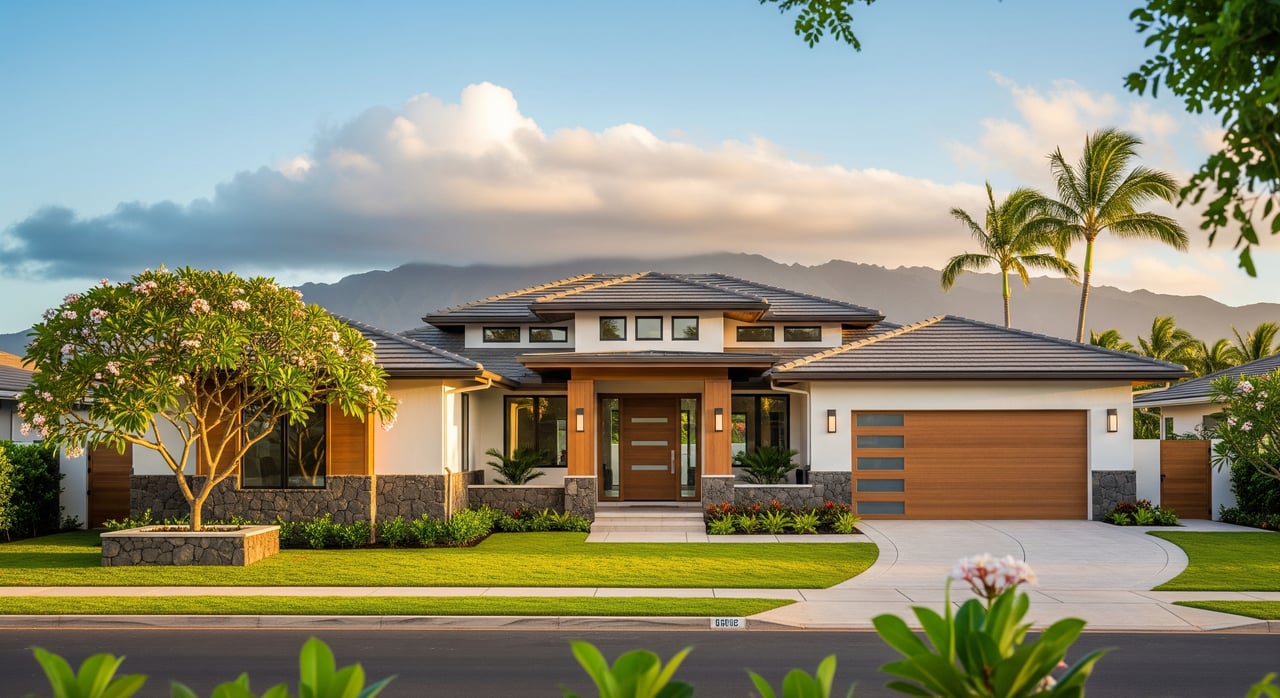
You will find a wide mix of single-family homes with lot sizes that range from modest suburban yards to larger lots in select pockets. Condition and upgrades vary; newer roofs, updated systems, and better ventilation often command stronger pricing. Some properties may include permitted accessory units where allowed. Always verify zoning and any rental restrictions before you rely on potential income.
Townhouses and condos
Townhouses and low-rise condos provide more affordable entry points compared to many single-family homes. This segment often appeals to first-time buyers who want location and community amenities with a manageable maintenance load. Confirm what the association covers and what you must insure yourself so you can compare apples to apples against a single-family home.
Price tiers explained
Think in three tiers to plan your budget:
- Entry-level: smaller condos and some townhomes, typically the most affordable way into Mililani.
- Move-up: many townhomes and a large share of single-family homes at mid-tier prices.
- Premium: larger or recently upgraded single-family homes, desirable lots or views. Because values shift with rates and inventory, check the latest neighborhood reports for Mililani Town and Mililani Mauka by property type to set realistic targets before you tour.
What drives pricing in Mililani
Lot size and condition often drive value more than small differences in interior square footage. Roof age, ventilation, signs of termite activity, and overall maintenance history can swing appraisals and negotiations. Elevation and views, including mauka or Koʻolau range sightlines, can add meaningful premiums on otherwise similar homes. If two homes look alike online, these details usually explain the difference in price.
Market signals to watch
- Days on market: Entry-level properties tend to move faster than premium homes. In tighter inventory periods, days on market can be short; in softer patches, listings take longer to sell. Track DOM in your target price band, not just the overall neighborhood.
- List-to-sale price ratio: When sale prices match or exceed list price, demand is strong. If final sales consistently settle below list, buyers may gain leverage.
- Multiple-offer patterns: Low-inventory, lower price tiers often see multiple offers and escalation clauses. Higher tiers may be more negotiable depending on active competition.
- Price reductions: Several reductions among similar listings can indicate overpricing or a cooling segment.
HOA fees and what they cover
If you are shopping townhouses or condos, plan for monthly HOA or maintenance fees. In Mililani, condo fees can range widely from the low hundreds to the high hundreds per month depending on age, amenities, insurance costs, and reserve funding. Townhome fees can be comparable or higher if exterior maintenance is included. Some neighborhoods also have master-planned association dues that are usually modest and support shared amenities and events.
Common items covered by association fees include exterior building maintenance, roofing and painting on attached products, landscaping and irrigation for common areas, common utilities and services, insurance for shared structures, reserve contributions, and amenities like pools or community centers. Review governing documents and recent meeting minutes to check for special assessments, reserve health, pet policies, rental rules, and parking.
Maintenance and insurance basics for Oʻahu
Mililani’s climate needs proactive care. Salt air and humidity can accelerate corrosion and wear on metal fittings, exterior fixtures, and HVAC systems. Termites, including drywood species, are common in Hawaii, so budget for a wood-destroying organism inspection and preventive treatment if needed. Roofs, deck flashing, and ventilation are frequent focus areas for inspectors.
Insurance needs can vary by location and lender. Standard homeowner policies may exclude certain perils like flood or specific wind events. Verify required coverage based on the property’s zone, and obtain quotes early in the process to avoid surprises at underwriting. VA loans are common for eligible military buyers; confirm insurance requirements with your lender.
Financing paths for first-time buyers
Most first-time buyers use one of three loan types: conventional, FHA, or VA. Conventional loans often require 5 to 20 percent down, while FHA can offer lower down payment options subject to property standards. VA loans provide eligible service members and veterans a path to zero down financing.
For assistance, explore state and county resources. The Hawaii Housing Finance & Development Corporation and City & County of Honolulu programs may offer down payment assistance, mortgage credit certificates, or income-qualified opportunities. HUD-approved counseling organizations can help with budgeting and homebuyer education, which some programs require. Confirm current eligibility and availability with the administering agencies.
Your step-by-step buying game plan
Before you shop
- Get a written pre-approval from a lender who knows the Oʻahu market.
- Set an all-in monthly target that includes mortgage, taxes, insurance, and any HOA fees.
- Define must-haves versus nice-to-haves like lot size, commute tolerance, and willingness to renovate.
While you shop
- Track days on market and price reductions in your specific price tier.
- Ask for HOA documents, reserve studies, and recent meeting minutes as soon as you are serious about a listing.
- Plan for both a general home inspection and a termite inspection during your contingency period.
Making an offer
- Prepare earnest money and a clear inspection timeline. In competitive tiers, consider escalation clauses, but protect key contingencies based on your risk tolerance.
- Discuss appraisal gap strategies with your agent and lender so you understand limits before you write.
After you are under contract
- Lock in insurance quotes and bind coverage as required by your lender.
- Review HOA documents again with attention to pet rules, rental restrictions, parking, and any pending assessments.
- Budget for common early maintenance in Hawaii, such as termite treatment, repainting exposed trim, and HVAC servicing.
Timing your move in Mililani
Your timeline should match your price tier and current inventory. Entry-level homes can require fast decisions and strong terms. If you are aiming for the premium tier, you may have more room to negotiate or wait for the right lot and condition. Watch your segment’s new listing flow for a few weeks to calibrate speed before you jump.
Ready to make your first Mililani purchase feel simple and strategic? Get guidance tailored to your goals, budget, and timeline. Connect with Sue Jo for a friendly, data-informed plan and bilingual support if you need it.
FAQs
What makes Mililani a good choice for first-time buyers?
- It is a master-planned community with steady demand, a range of property types, and central Oʻahu access that suits everyday commuting and lifestyle needs.
How fast do Mililani homes sell right now?
- Speed depends on your price tier and property type; entry-level homes usually move faster than premium listings, so track days on market in your specific segment.
How should I compare a condo or townhome to a single-family home?
- Convert HOA fees into your monthly housing cost and review what the association covers so you can compare total costs and responsibilities fairly.
What inspections are most important in Mililani?
- Plan for a general home inspection plus a termite inspection; roof condition, ventilation, moisture, and electrical updates are frequent focus areas.
Do I need special insurance in Mililani?
- Coverage varies by zone and lender; verify wind and flood requirements early and get quotes before you remove financing contingencies.
Are accessory or rental units common in Mililani?
- Some homes may have permitted accessory units; always verify zoning, permits, and any association or county rental restrictions before assuming rental income.
Which loans work best for first-time buyers here?
- Conventional, FHA, and VA loans are all common; the right choice depends on your credit, down payment, and property condition requirements.
Where can I find first-time buyer assistance in Honolulu County?
- Check programs offered by the Hawaii Housing Finance & Development Corporation and the City & County of Honolulu, and consider HUD-approved counseling for education and budgeting support.