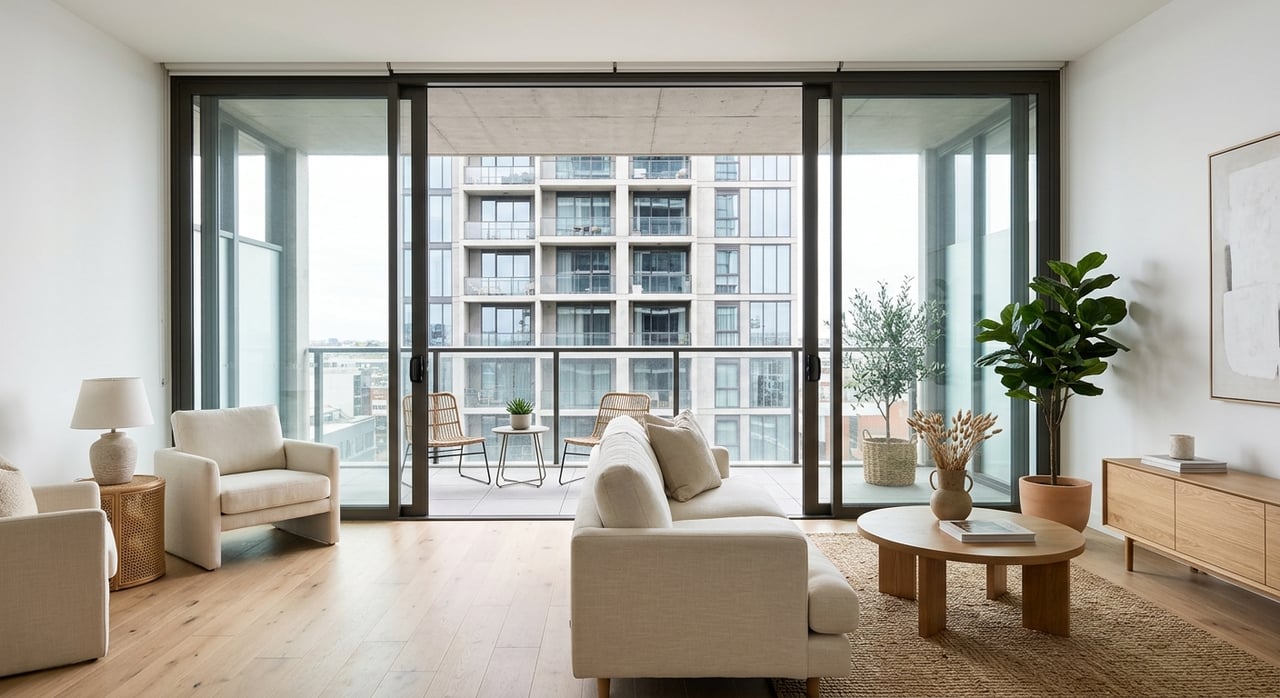
Buying a condo in Kakaʻako from overseas may sound complicated, but much of the process can be handled without getting on a plane. If you are balancing time zones, language needs, and a fast-moving Honolulu market, you need a process that is clear, organized, and local to Hawaii. This guide walks you through how to search, evaluate, and close on a Kakaʻako condo remotely with more confidence. Let’s dive in.
Why Kakaʻako works for remote buyers
Kakaʻako is a 600-acre Honolulu district that the Hawaii Community Development Authority is actively redeveloping into a more pedestrian-oriented urban neighborhood with housing, shopping, public amenities, and cultural spaces. For many overseas buyers, that matters because the purchase decision often centers on a specific condo building, its amenities, its rules, and its documents rather than a large land parcel. In practical terms, that makes remote research and comparison more manageable.
A condo search in Kakaʻako is also very document-driven. Hawaii’s Department of Commerce and Consumer Affairs recommends reviewing the declaration, bylaws, house rules or policies, annual budget, management information, attorney information, board minutes, special assessments, lawsuits, reserve studies, and insurance coverage. If you are buying from abroad, these records are not extra reading. They are a key part of your decision.
It is also important to know that not every Kakaʻako project works the same way. Some properties may be subject to HCDA reserved-housing rules, which can include residency, income, or shared-equity restrictions. Before you commit to a unit, confirm whether the building has any added eligibility or occupancy rules.
Start with financing and budget
Before you seriously shop, get clear on your budget and financing path. A preapproval can help you understand your likely price range and reduce the risk of targeting condos that may not fit your financing profile. It is still only a tentative lender statement, not a guaranteed loan, so it helps to treat it as an early checkpoint rather than a final answer.
This stage goes more smoothly when you prepare your financial documents in advance and plan for time-zone delays. If you are overseas, simple requests can take longer because your lender, escrow contacts, and Hawaii-based professionals may all be working on Hawaii Standard Time. A structured timeline can save you stress later.
Build a remote search plan
A successful remote condo search needs more than listing photos. In Kakaʻako, your goal is to understand not just the unit, but also the building experience, the views, the layout flow, the amenities, and the rules that affect ownership. That is where a well-organized search process matters.
A strong remote search plan usually includes:
- Live video tours of the unit
- Video walkthroughs of common areas and amenities
- Floor plan review
- Building document collection
- Clear notes on monthly costs, rules, and any project restrictions
For overseas buyers, batching these steps is often more efficient than handling them one by one. You can group tours, questions, document review, and signing windows into planned sessions that fit your local time zone.
Review condo documents carefully
In Hawaii, condo documents are a major part of due diligence. This is especially true in a dense urban market like Kakaʻako, where the building itself can shape your ownership costs, daily use, and long-term flexibility. A beautiful unit does not tell you everything you need to know.
At minimum, you should review the documents highlighted by DCCA, including:
- Declaration
- Bylaws
- House rules or policies
- Current annual budget
- Reserve study
- Insurance coverage
- Board or association minutes
- Any special assessments or pending legal issues
These materials can help you spot practical concerns before you move forward. For example, the budget and reserve study can give you a clearer picture of how the association plans for repairs and long-term maintenance. Board minutes may also reveal recurring building issues or upcoming projects.
Confirm rules for new development
If you are considering new construction in Kakaʻako, take an extra verification step. Hawaii requires most condominium projects to be registered and issued a Developer’s Public Report before legal sales can occur. DCCA has also stated that before the report’s effective date, binding contracts cannot be signed and money cannot be exchanged in the developer-sale context.
That means overseas buyers should not assume every new tower is ready for purchase just because marketing has started. Make sure the project status is confirmed before you treat it like a standard resale transaction. This is one of those local details that can make a big difference.
Use Hawaii’s remote closing tools
A remote purchase in Honolulu is more realistic today because Hawaii has formal digital tools in place. The state’s eSign service supports signing documents from any device, anywhere, anytime. For buyers overseas, that can remove a lot of logistical friction.
Hawaii also has a structured remote online notarization framework. That means notarization can happen remotely through live audiovisual communication and identity verification, but it is not the same as casually clicking through a document packet. You should expect a formal process with specific requirements.
On the recording side, Hawaii’s Bureau of Conveyances supports e-recording. Documents can be submitted and processed online rather than physically mailed or hand-delivered. For remote buyers, this helps shorten the distance between signing and final recording.
Keep the closing timeline tight
Once you are under contract, timing becomes more important. A remote closing usually works best when your agent, lender, and title or escrow team stay closely aligned. Small delays can create bigger problems when you are managing an international schedule.
A good closing checklist includes:
- Confirm who will conduct the closing
- Confirm where and when closing will happen
- Request closing documents at least three business days in advance
- Compare the Closing Disclosure to the Loan Estimate
- Leave enough time to read every document carefully
This is where clear communication matters most. If you are signing overnight in your time zone or coordinating across multiple countries, a missed message can cause unnecessary pressure.
Watch for wire fraud
Wire fraud is one of the most important risks to take seriously in a remote purchase. Scam emails may look like they came from your agent or settlement team and may include last-minute changes to wiring instructions. That is a major warning sign.
The safest approach is simple:
- Use only trusted contact information
- Do not rely on a last-minute email alone
- Avoid emailing sensitive financial information
- Verify any wiring change by phone before sending funds
If something changes suddenly, pause and confirm it. A short verification call can protect a very large transfer.
Verify the professionals involved
When you are buying from overseas, trust should be supported by verification. Hawaii’s DCCA provides license verification at no cost, and the Real Estate Branch also states that callers can verify whether a person is licensed. Taking a few minutes to confirm the professionals on your transaction can add peace of mind.
This step is especially helpful if you are coordinating your purchase from another country and cannot meet everyone face to face. A remote transaction can still feel secure when the process is documented, verified, and organized from the start.
Why bilingual support can help
For many overseas buyers, the challenge is not just distance. It is also clarity. A bilingual Korean and English process can help reduce confusion around building rules, contract timing, document summaries, and closing steps.
That matters in Kakaʻako, where projects may have different ownership structures, association policies, or HCDA-related restrictions. Even when translation is not the main issue, bilingual support can make communication more efficient and reduce delays across time zones. When you are reviewing detailed condo records, clear explanations matter.
What to focus on before you commit
If you want to buy a Kakaʻako condo remotely, focus on the pieces that shape your ownership experience after closing. Photos and finishes matter, but so do reserves, insurance, rules, and project-specific restrictions. A smart remote purchase is less about speed and more about disciplined review.
Before you move forward, make sure you can answer these questions clearly:
- What are the building’s rules and monthly costs?
- Are there any special assessments or legal concerns?
- What does the reserve study suggest about future repairs?
- What insurance does the association maintain?
- Is the project subject to HCDA reserved-housing rules?
- If it is new development, does it have the required Developer’s Public Report?
A remote purchase can absolutely work when the process is handled with local knowledge, strong communication, and careful document review. If you want a calm, organized approach to buying in urban Honolulu, Sue Jo can help you navigate the search, virtual showings, condo review process, and closing steps with bilingual, high-touch support.
FAQs
Can you buy a Kakaʻako condo without flying to Hawaii?
- Yes. Many parts of the process can be handled remotely through live video tours, eSign, remote online notarization, e-recording, and detailed condo document review.
What documents matter most for a Kakaʻako condo purchase?
- Key documents include the declaration, bylaws, house rules or policies, annual budget, reserve study, insurance coverage, board minutes, and information about any special assessments or legal issues.
What should you check before buying a new Kakaʻako development?
- Confirm the project is properly registered and has a Developer’s Public Report with an effective date before assuming it is ready for a legal sale.
Why do Kakaʻako condo rules need extra attention?
- Some Kakaʻako projects may have HCDA reserved-housing or other project-specific rules related to residency, income, occupancy, or shared equity, so each building should be checked individually.
What should you do if wiring instructions change before closing?
- Treat any last-minute wiring change as a fraud warning and verify it using trusted contact information by phone before sending funds.