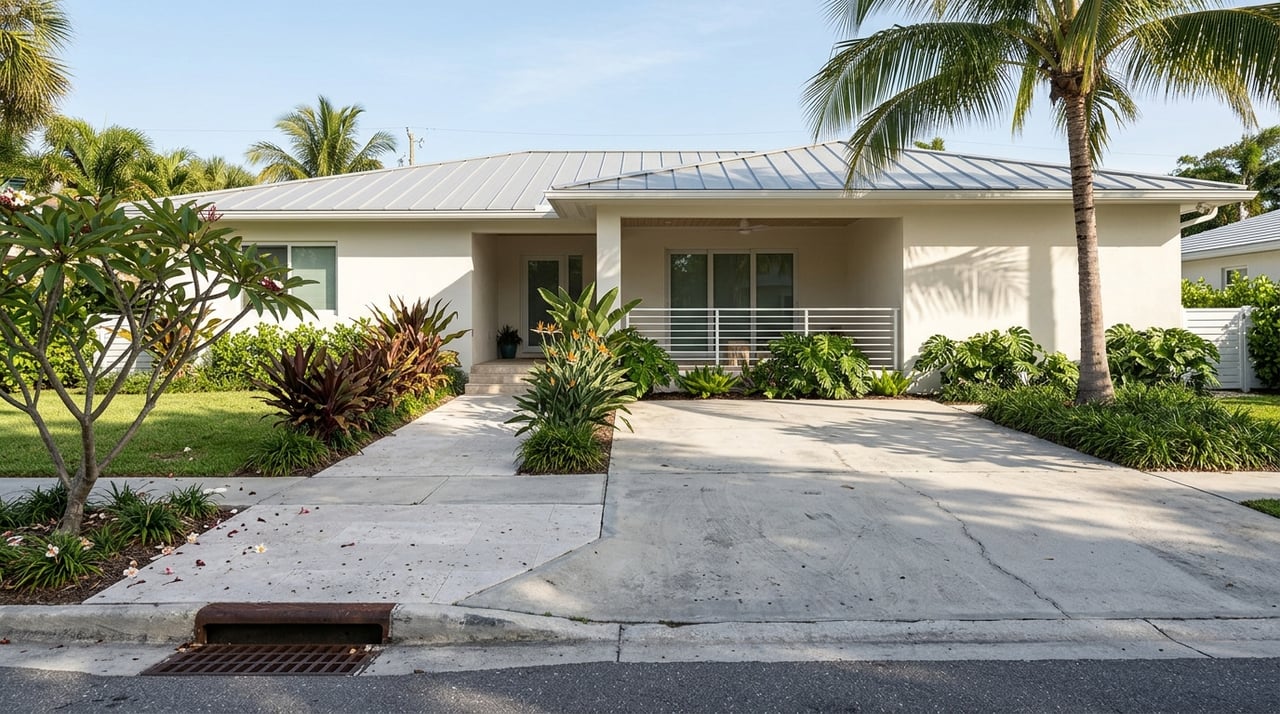
Wondering whether East Honolulu or Hawaii Kai really matches the way you want to live? That is a smart question, because this part of Oahu offers a very specific mix of waterfront access, residential calm, and everyday convenience. If you are weighing lifestyle as much as square footage, this guide will help you understand what daily life can actually look like here. Let’s dive in.
East Honolulu at a Glance
East Honolulu feels more residential than urban. In the 2020 Census, East Honolulu had 50,922 residents, and American Community Survey estimates for 2020 through 2024 show an owner-occupied housing rate of 84.5%. That points to an area where many residents put down long-term roots rather than treat it like a short-term, high-turnover market.
The numbers also suggest a stable, established community. The median owner-occupied home value is $1,212,000, the median household income is $159,518, and 28.3% of residents are age 65 or older. Together, those figures support the idea of East Honolulu as a mature, homeowner-heavy part of Honolulu with a more settled pace.
If you are comparing it to central Honolulu, the daily rhythm is different. East Honolulu is less about dense city living and more about having space, local essentials, and access to outdoor recreation. That trade-off can be a strong fit if your priorities lean toward lifestyle and routine over downtown energy.
Why Hawaii Kai Stands Out
Hawaii Kai is one of the defining lifestyle hubs within East Honolulu. Its most distinctive feature is the marina, which the Hawaii Kai Marina Community Association describes as the only community on Oahu with a large private inland body of water that gives waterfront homes and commercial properties access to Maunalua Bay.
That single feature shapes the feel of the area in a big way. It gives Hawaii Kai a waterfront identity that is not just scenic, but also practical for people who want regular access to the water. If you picture your ideal week including boating, paddle activities, or simply living near an active marina setting, Hawaii Kai offers something rare on Oahu.
The marina itself is substantial. According to the association, it spans about 266 acres and includes 12 miles of shoreline. Boat slips are available for rent at Koko Marina Center, and some waterfront residents may add docks with approval, which reinforces how closely daily life here can connect to the water.
A Lifestyle Built Around Water
If water access is high on your list, Hawaii Kai stands out for more than just views. The marina is governed by slow and no-wake rules plus guest-pass requirements, which helps keep activity controlled rather than chaotic. That matters if you want a waterfront setting that feels active but not overly commercial.
This can shape your routine in practical ways. Instead of treating ocean and marina access as an occasional outing, you may find it becomes part of your regular week. For many buyers, that is the difference between admiring the lifestyle and actually living it.
Nearby Hanauma Bay adds another layer to the outdoor appeal. The Hawaii Department of Land and Natural Resources says the preserve is open Wednesday through Sunday, with entry allowed from 6:45 a.m. to 1:30 p.m., the beach cleared at 3:30 p.m., and visitors leaving by 4 p.m. That means beach days here are often best planned as morning or early afternoon outings rather than spontaneous all-day trips.
Outdoor Routines Beyond the Marina
East Honolulu and Hawaii Kai also support a more active outdoor lifestyle on land. Honolulu Fire Department incident reports show responses on the Koko Head Trail in Hawaii Kai, which highlights how commonly the area is used for hiking and fitness activities.
If you enjoy building movement into your week, this part of Honolulu offers options close to home. You can picture mornings on the water, a planned beach stop, or a hike that becomes part of your regular schedule. For many people, that balance is a major reason the area feels so livable.
This is one of the clearest lifestyle distinctions between East Honolulu and more central parts of Honolulu. The draw here is not constant urban activity. It is access to recreation that can become part of your normal routine.
Everyday Errands Stay Close to Home
A big advantage of Hawaii Kai is that its shopping and service mix is practical, not just picturesque. Hawaii Kai Towne Center reports more than 60 food, retail, and business tenants, including Costco Wholesale, Ross Dress for Less, City Mill, Starbucks, Roy's, Maile's Thai Bistro, Chopstick and Rice, Ramen-Ya, Raising Cane's, banking services, Hawaii Kai Satellite City Hall, and Adventist Health Castle Urgent Care.
That kind of retail base can make a real difference in daily life. You may not need to leave the area for many weekly essentials, appointments, or casual meals. For buyers who want a residential setting without giving up convenience, that is a meaningful benefit.
Koko Marina Center adds a more leisure-focused layer. Its tenant mix includes restaurants, specialty and gift shops, personal services, and water-sports operators such as Kona Brewing Hawai'i, Heavenly Island Lifestyle, Moena Cafe, Hanapa'a Market, and Hawaii Water Sports Center.
Hawaii Kai Shopping Center rounds out the errand loop with Safeway, Longs Drugs, Island Brew Coffeehouse, L&L Hawaiian Barbecue, and other local businesses. Taken together, these centers suggest that many day-to-day needs can be handled nearby, even if larger entertainment or work trips take you elsewhere.
What the Commute Feels Like
Lifestyle fit is not only about amenities. It is also about how your weekday routine feels. East Honolulu generally comes with a longer commute pattern than urban Honolulu, with a mean travel time to work of 30.9 minutes compared with 21.9 minutes in Urban Honolulu.
That gap matters if you commute regularly. Living here often means being more aware of peak traffic periods and planning your schedule around them. If your priority is a short, urban-style commute, East Honolulu may feel less convenient than neighborhoods closer to the city core.
Public transit options do exist. TheBus route map shows Route 1 and 1L connecting Kalihi Transit Center, Kahala, and Hawaii Kai, with Route 1L operating as a limited-stop service. The Hawaii Kai Park & Ride Express routes, 80 and 82, provide weekday morning service to Downtown Honolulu and afternoon return service to Hawaii Kai and Kalama Valley, and the City and County of Honolulu operates the Hawaii Kai Park & Ride facility.
Even with those options, the area still reads as more car-oriented than central Honolulu. That does not make it a poor choice. It simply means the best fit is often someone comfortable trading a shorter commute for waterfront living, neighborhood convenience, and a more residential environment.
Who East Honolulu Fits Best
East Honolulu and Hawaii Kai tend to work best for buyers who want their home base to support a certain kind of daily life. That often includes water access, outdoor recreation, and the ability to run many errands close to home.
This area may be a strong fit if you are looking for:
- A primarily residential setting rather than a dense urban core
- Marina access or close proximity to ocean recreation
- Local shopping, dining, and services that simplify weekly routines
- A neighborhood where homeownership is a major part of the housing mix
- A lifestyle that balances outdoor activity with everyday convenience
The main trade-off is usually transportation and commute efficiency. If you prefer a highly walkable, downtown-style setting or need to minimize drive time, you may feel that central Honolulu aligns better with your routine.
How to Decide if It Matches You
The best way to think about East Honolulu and Hawaii Kai is through your habits, not just a map. Ask yourself where you want to spend your mornings, how often you expect to drive for work, and whether access to the marina, beaches, hiking, and nearby errands would improve your day-to-day life.
If your ideal home supports a calmer residential pace with strong outdoor access, this area has a lot to offer. If you need faster access to Honolulu's urban core every day, the trade-off deserves careful thought.
That is where a local, data-informed home search can help. Looking at price points, commute patterns, property types, and micro-location differences within East Honolulu can make the decision much clearer. When your lifestyle goals and your home search are aligned, you are much more likely to feel confident in your move.
If you are considering a move to East Honolulu or Hawaii Kai, Sue Jo can help you compare neighborhoods, evaluate property options, and make a decision that fits both your lifestyle and your long-term goals.
FAQs
What kind of lifestyle does East Honolulu fit?
- East Honolulu generally fits a residential lifestyle centered on homeownership, local errands, outdoor recreation, and a willingness to manage a longer commute than in urban Honolulu.
What makes Hawaii Kai different from other Honolulu neighborhoods?
- Hawaii Kai is defined by its marina, which is described by the Hawaii Kai Marina Community Association as the only community on Oahu with a large private inland body of water that gives waterfront homes and commercial properties access to Maunalua Bay.
Are errands convenient in Hawaii Kai?
- Yes. Hawaii Kai has several major shopping centers with groceries, dining, retail, medical services, and personal services, which means many everyday needs can be handled close to home.
Is East Honolulu a good fit if you work in town?
- It can be, but you should expect a more commute-aware routine, since East Honolulu's mean travel time to work is longer than Urban Honolulu's and the area is generally more car-oriented.
What outdoor activities are common near Hawaii Kai?
- Common outdoor activities include marina access, boating, beach outings at Hanauma Bay, and hiking or fitness routines near places such as Koko Head.
Does Hawaii Kai have public transportation options?
- Yes. TheBus serves the area through Route 1, Route 1L, and weekday Hawaii Kai Park & Ride Express routes 80 and 82, but the overall transportation pattern is still more car-oriented than central Honolulu.