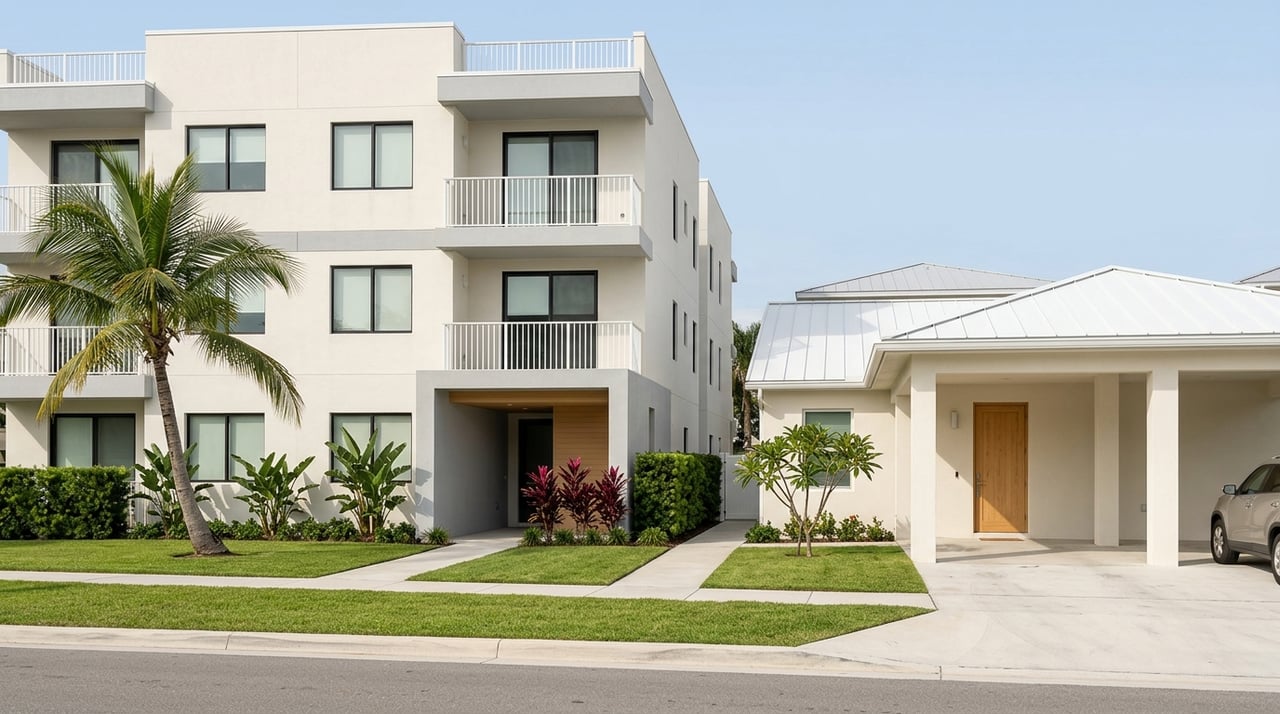
If you are home shopping in Ewa Beach, one question can shape your whole search: should you buy a condo or a single-family home? It is a practical choice, not just a style preference, because monthly costs, insurance needs, maintenance, and property rules can look very different from one home type to the next. When you understand how Hawaii treats these properties on paper and in real life, you can compare your options with more confidence. Let’s dive in.
Why this choice matters in Ewa Beach
Ewa Beach gives many buyers a mix of attached and detached housing options, which is one reason this comparison comes up so often. As of March 2026, the median listing price in Ewa Beach was $770,000, and the local market was described as balanced, with homes selling for about asking on average.
That local price point sits within a broader Oahu market where single-family homes and condos can have a large pricing gap. In March and April 2026, the median sales price on Oahu was roughly $1.15 million to $1.20 million for single-family homes versus about $500,000 to $510,000 for condos. That difference helps explain why many buyers start by comparing condos, townhomes, and detached homes side by side.
Know how Hawaii defines the property
In Hawaii, a condo is not just a building style. It is a form of shared ownership, and it can include townhomes and even homes that look like single-family properties.
That is especially important in Ewa Beach, where some townhouse-style homes may not be what they seem at first glance. Planned communities are generally governed under Chapter 421J, while condominiums are governed under Chapter 514B. If a home looks detached or townhouse-style, you should still verify whether it is legally a condominium, a planned community, or another HOA-governed property before assuming the rules are the same.
Condos in Ewa Beach: what you are really buying
A condo or townhome can be a smart starting point if your goal is a lower entry price. In many cases, attached homes make it easier to enter the Oahu market while staying in a location that fits your commute, lifestyle, or budget.
But the list price only tells part of the story. With condos and many townhomes, the monthly fee is part of the true cost of ownership. That fee may support shared expenses, future repairs, insurance for common areas, and reserve funding for major projects.
Potential benefits of condos
Condos and townhomes often appeal to buyers who want less exterior maintenance. If you would rather not spend your weekends dealing with outside upkeep, shared maintenance can be a real advantage.
They may also offer a lower likely entry price than detached homes. For buyers trying to balance budget and location, that can keep more options open in Ewa Beach.
Tradeoffs to consider with condos
Shared ownership comes with shared rules and shared financial exposure. Dues, reserve health, house rules, and association decision-making can affect your monthly costs and your day-to-day living experience.
The Hawaii Department of Commerce and Consumer Affairs notes that many condo projects are self-managed, and a third-party managing agent is not required unless project documents require one. That means the quality of the board, reserve planning, and house rules can matter just as much as curb appeal.
Single-family homes in Ewa Beach: what sets them apart
Single-family homes usually fit buyers who want more control over the property. If privacy, storage, parking, outdoor space, or flexibility for future changes matter most to you, detached homes may feel like the better fit.
In many cases, single-family ownership also means fewer shared rules than a condo property. That can make everyday decisions feel simpler, especially if you want more say over how the property functions over time.
Potential benefits of single-family homes
Detached homes often offer more autonomy. You may have more control over the lot, exterior use, and the way the home supports your routine.
They can also be the better match if you know you want space for vehicles, gear, storage, or outdoor living. For many buyers, that practical flexibility is the main reason to focus on single-family homes first.
Tradeoffs to consider with single-family homes
More control usually means more direct responsibility. You may be taking on more exterior maintenance, more repair planning, and a different insurance picture than you would with an attached home.
Price can also be a hurdle. On Oahu overall, the median sales price for single-family homes has been much higher than for condos, so some buyers need to weigh autonomy against budget very carefully.
Compare total monthly cost, not just list price
This is one of the biggest mistakes buyers can avoid. A lower-priced condo is not always the lower-cost option once you add monthly dues, required insurance, and the possibility of future assessments.
DCCA defines reserves as money collected regularly for large future expenses. When reserves are not strong enough, the association may need special assessments, borrowing, or deferred repairs. In practical terms, that means a home with a lower purchase price can become more expensive than expected over time.
A simple cost comparison checklist
When you compare a condo to a single-family home in Ewa Beach, review:
- Purchase price
- Monthly association or HOA fees
- Estimated homeowner insurance cost
- Possible flood insurance need
- Reserve strength for attached properties
- Any history of special assessments
- Expected exterior maintenance costs
Looking at the full monthly carrying cost gives you a much clearer picture than list price alone.
Insurance matters more than many buyers expect
In Ewa Beach, insurance diligence is a major part of the condo-versus-house decision. Coastal exposure, flood zones, and hurricane-related coverage questions can affect both affordability and peace of mind.
For condos and many townhomes, the association typically carries a building or common-area policy, while the owner usually needs an HO-6 policy for personal property and interior finishes. DCCA also notes that association property insurance usually covers common walls and grounds, but not the improvements or furnishings inside the unit.
For single-family homes, your policy structure will usually differ because you are insuring the home more directly. Either way, the Hawaii Insurance Division says most homeowners policies do not cover flood, hurricane, or earthquake losses, and flood insurance is separate from homeowners insurance.
Why flood review should happen early
Flood insurance should not be an afterthought. Hawaii’s 2026 flood guidance says it should be considered even outside high-risk zones.
If a condo project is in a special flood hazard area, flood insurance must be maintained. Buyers can verify a specific address using official flood-map sources for Hawaii properties. In real terms, this means you should get insurance quotes early, before you fall in love with a floor plan that changes your monthly payment more than expected.
Documents you should review before deciding
If you are leaning toward a condo or townhouse-style property, document review is essential. In Hawaii, the legal setup of the property can affect your costs, your rights, and your responsibilities.
Useful documents for buyers include the declaration, bylaws, house rules, budget, reserve information, insurance certificate, and recent meeting records. These materials can tell you far more than a listing description can.
What those documents can reveal
The paperwork may clarify:
- Whether the property is a condominium or planned community
- What the monthly fee covers
- Whether reserves appear strong or thin
- Whether there is a recent pattern of assessments or deferred repairs
- What rules may affect pets, parking, rentals, renovations, or exterior changes
- What insurance the association carries
This is where a townhouse-style home in Ewa Beach often needs extra attention. The way it looks from the street does not always match how it is structured legally.
A simple framework for your decision
If you feel stuck, start with your top priority rather than the prettiest listing photos. The right home type usually becomes clearer when you focus on how you want to live and what you want to spend each month.
Start with condos or townhomes if you want:
- The lowest likely entry price
- Less exterior maintenance
- A home where shared upkeep is part of the setup
If you go this route, compare dues, reserve strength, insurance needs, and assessment risk very closely.
Start with single-family homes if you want:
- More privacy
- More control over the lot and daily use
- Fewer shared rules
- More flexibility for storage, parking, or future changes
If this is your priority, make sure the budget still works comfortably once you factor in maintenance and insurance.
Smart questions to ask before you buy
A good comparison comes down to clear questions. In Ewa Beach, these are some of the most useful ones to ask as you narrow your options.
- Is this property a condominium, a planned community, or another HOA-governed form?
- What does the monthly fee cover?
- Are reserves strong enough to reduce the chance of a special assessment?
- What insurance does the association carry, and what policy will I need as the owner?
- Is the address in a flood zone, and do I need separate flood coverage?
- Can I review the declaration, bylaws, house rules, budget, reserve materials, and recent meeting records before making an offer?
- Are there rules on pets, parking, rentals, exterior changes, or renovations that could affect my routine?
The more clearly you answer these questions, the easier it becomes to choose the property type that truly fits you.
The best choice depends on your priorities
There is no one-size-fits-all answer in Ewa Beach. A condo may be the better move if you want a lower likely entry point and less exterior responsibility, while a single-family home may be the better fit if you value privacy, flexibility, and more control over the property.
What matters most is making an apples-to-apples comparison. When you weigh list price, monthly fees, reserves, insurance, flood risk, and property rules together, you can make a decision that feels smart not just today, but over the long term.
If you want help comparing Ewa Beach condos, townhomes, and single-family homes with a clear eye on costs, paperwork, and lifestyle fit, connect with Sue Jo for a thoughtful, data-informed consultation.
FAQs
What is the difference between a condo and a single-family home in Ewa Beach?
- In Ewa Beach, a condo is a legal form of shared ownership and may include townhome-style or even detached-looking homes, while a single-family home usually offers more direct control over the lot and property use.
Why do Ewa Beach townhouse-style homes need extra review?
- A townhouse-style home may be legally structured as a condominium or as part of a planned community, so you should review the documents before assuming the ownership rules and costs are the same.
What costs should buyers compare for Ewa Beach condos?
- You should compare the purchase price, monthly fees, insurance needs, reserve strength, possible special assessment risk, and any flood insurance requirement.
Why are reserves important for Ewa Beach condo buyers?
- Reserves help cover large future expenses, and weak reserves can lead to special assessments, borrowing, or delayed repairs.
What insurance should buyers check for an Ewa Beach condo or townhome?
- Buyers should review the association’s building or common-area coverage and also confirm what personal policy, such as an HO-6 policy, they may need for interior finishes and belongings.
Should Ewa Beach buyers look into flood insurance early?
- Yes, because flood insurance is separate from homeowners insurance and may affect your monthly cost even if the property is not in the highest-risk zone.