Thinking about a Waipio or Waikele townhome but not sure where to start? You want good value, an easy commute, and clear answers on HOA rules, fees, and financing. In this guide, you’ll learn typical layouts and price points, what monthly fees cover, how local rules affect rentals, and a step‑by‑step due‑diligence checklist you can use right away. Let’s dive in.
Why Waipio and Waikele appeal
Waipio and Waikele sit in Central Oahu with quick access to H‑1 and H‑2, shopping at Waikele Premium Outlets and Costco, and nearby parks. These master‑planned neighborhoods attract many first‑time buyers, military households, and investors seeking a lower entry point on Oahu compared with single‑family homes. You’ll find many attached communities with consistent amenities and practical layouts that fit everyday living.
Typical townhomes and layouts
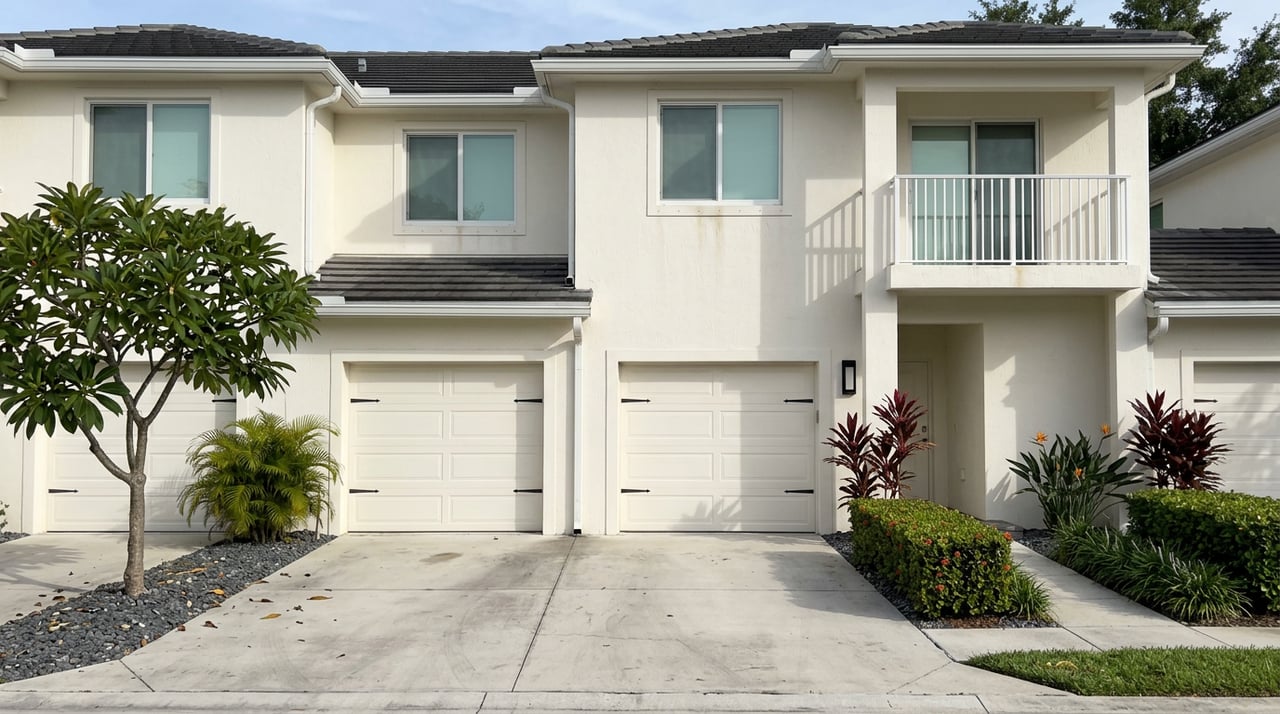
Most townhomes here are 1 to 3 bedrooms with 1 to 2 bathrooms. Many are two‑story, with a small lanai or patio and 1 to 2 assigned parking stalls. A large share of complexes were built in the 1980s and 1990s, with some newer master‑planned additions nearby. Expect simple, efficient floor plans that maximize space and emphasize low‑maintenance living.
What you can expect to pay
Recent sales show why these neighborhoods are popular. In Waipio Gentry, 2‑bedroom townhomes commonly trade in the mid‑$400,000s to mid‑$500,000s. For example, sample MLS activity in 2024–2025 includes closings near about $488,000 and $545,000 for 2‑bedroom townhomes. You can review a representative listing page for local context on price points and inclusions in Waipio Gentry at this sample MLS entry on Hawaii House. See a sample Waipio Gentry listing and price context.
In Waikele, 2 to 3 bedroom townhomes frequently list in the mid‑$500,000 range, with larger or updated floor plans sometimes trading higher, especially near golf and green spaces. Always verify the current market snapshot the week you shop, since prices move with inventory and interest rates.
If you want to review Oahu’s current condo law framework and buyer document rights during a resale, Hawaii’s Condominium Property Act (HRS 514B) is your baseline reference. Read HRS Chapter 514B.
HOA fees and what they cover
Monthly association fees vary by project and what is included. Many Waipio/Waikele townhomes show combined fees for typical 2‑bedroom units under about $600 per month, while communities with more amenities or utilities included may run from the mid‑$500s to over $1,000 per month. A representative listing page shows how fees are presented and which services are included, such as water/sewer and exterior upkeep. See a sample fee and inclusions breakdown.
What those fees usually buy you:
- Exterior and common‑area maintenance, roofing, landscaping, and parking lots.
- Water and sewer, and sometimes basic cable or other utilities.
- Building insurance on a master policy. Confirm whether it is walls‑in or walls‑out, since that affects your HO‑6 coverage. Learn the difference between walls‑in and walls‑out.
Climate affects costs. Salt air and humidity can speed up wear on exteriors and mechanicals, so well‑run AOAOs plan for more frequent paint cycles, roof work, and exterior repairs. Review the reserve study and recent capital projects to understand the timeline. See a practical Hawaii maintenance context.
Rules that affect lifestyle and rentals
AOAO and HOA rules shape daily life and future plans. Typical controls include pet policies, parking assignments and guest rules, architectural change approvals, and leasing rules like minimum lease terms or caps on rented units. These are set by the declaration, bylaws, and house rules, so you need the full association packet to confirm details. For buyer rights and AOAO responsibilities, check Hawaii’s statute and DCCA’s FAQs. Review HRS 514B and DCCA’s condo FAQs.
Short‑term rentals are tightly regulated on Oahu. Outside resort or mapped apartment zones, most properties cannot operate as STRs unless they have a grandfathered Nonconforming Use Certificate and meet current requirements. You must verify city eligibility at the parcel level, confirm the AOAO’s rules, and review seller disclosures. Enforcement has also been affected by recent litigation, so always confirm the latest status for your specific unit. Read Oahu STR basics and verification steps.
Financing for condo‑townhomes
Many lenders need the condo project to meet eligibility standards for conventional conforming, FHA, or VA loans. Underwriting often requires an AOAO questionnaire, budget, insurance certificates, reserve study, meeting minutes, and occupancy data. If a project is non‑warrantable, your loan options may narrow or require a bigger down payment. Ask your lender to run an early check using the standard tools. See Fannie Mae’s Condo Project Manager.
Inspections and Hawaii‑specific maintenance
Termites are a real factor in Hawaii. Many resale transactions include a termite inspection, and treatment histories matter. Moisture and salt exposure can also impact siding, fasteners, railings, and AC units. Build a scope that fits local conditions, and ask for records on roof ages, exterior projects, and any moisture remediation. Learn about termite risks in Hawaii.
Buyer due‑diligence checklist for Waipio/Waikele
Request the full AOAO resale packet (often called the RR105c) early. In Hawaii practice, the seller or management company typically provides it, and there may be a reasonable fee. These documents help you understand rules, finances, and any planned projects. Your checklist:
- CC&Rs, bylaws, and house rules with amendments. Confirm pet and leasing rules, including minimum lease terms. See buyer rights in HRS 514B.
- Current budget and most recent financials. Review reserve funding levels and history of special assessments. Use DCCA’s condo FAQs as a guide.
- Master insurance declarations. Note coverages, exclusions, and the master deductible; align your HO‑6 accordingly. Understand walls‑in vs walls‑out.
- Reserve study and capital plan. Ask about projects scheduled in the next 1 to 3 years and how they will be funded. DCCA FAQs explain typical documents.
- Board meeting minutes for the past 12 months. Look for vendor contracts, litigation, policy changes, and assessment discussions. Reference DCCA FAQs.
- Delinquency report. High delinquency rates can pressure future fees and affect loan approval. See statutory context in HRS 514B.
- Leasing and STR policy. Verify long‑term rental rules and whether STRs are prohibited. If investing, confirm city eligibility and any NUC. Review Oahu STR guidance.
- Project approval for financing. Ask whether the project appears on FHA or Fannie Mae/Freddie Mac approval lists or has been recently reviewed. Share Fannie Mae’s CPM with your lender.
Tips for first‑time buyers and investors
Owner‑occupants
- Prioritize projects with owner‑occupancy ratios that fit lender standards, confirm any owner‑occupancy requirements in the rules, and ask about affordable housing or buy‑back restrictions if applicable. See Fannie Mae project standards overview.
Investors
- Confirm long‑term leasing rules and caps, and do not assume STR income is possible. Some projects may be non‑warrantable if occupancy is low or rentals are prevalent. Check Oahu STR regulations.
Property taxes: a quick note
Honolulu’s Real Property Assessment Division publishes property tax rates by class each fiscal year. For FY2025–2026, review the current rate schedule to understand how use and classification can affect your bill. See Honolulu’s FY2026 property tax rates.
Ready to compare units and run numbers?
If you want a clear, side‑by‑side view of HOA coverage, project approvals, and total monthly cost, I can help you gather the AOAO packet, coordinate lender project checks, and line up inspections tailored to Hawaii conditions. For a design‑forward, data‑informed search with responsive guidance, connect with Sue Jo. Schedule Your Free Consultation.
FAQs
Are Waipio and Waikele townhomes eligible for VA or FHA loans?
- Many are, but eligibility depends on the specific condo project’s approval status; ask your lender to confirm early using tools like Fannie Mae’s Condo Project Manager and the relevant FHA or VA lists.
What are typical HOA fees in Waipio and Waikele?
- Fees vary by project and inclusions, with many 2‑bedroom townhomes showing combined monthly costs under about $600 and others ranging from the mid‑$500s to $1,000+ depending on amenities and utilities included.
Can I operate a short‑term rental in Waipio or Waikele?
- In most residential areas of Oahu, short‑term rentals are restricted unless a property is in an eligible zone or has a valid Nonconforming Use Certificate, and many AOAOs also prohibit STRs, so verify city eligibility and association rules first.
What inspections are most important for Hawaii townhomes?
- Include a termite inspection and review treatment history, check for moisture issues and exterior wear from salt air and humidity, and confirm the AOAO’s capital projects and reserve plan.
What layouts do Waipio/Waikele townhomes usually have?
- Expect 1 to 3 bedrooms, 1 to 2 bathrooms, often two‑story plans with a small lanai or patio and 1 to 2 assigned parking stalls, plus common‑area amenities depending on the project.
How do Honolulu property taxes apply to townhomes?
- Taxes are set annually by class; review the current Real Property Assessment Division rate schedule for FY2025–2026 and confirm your property’s classification before closing.